Naasongsnews.com
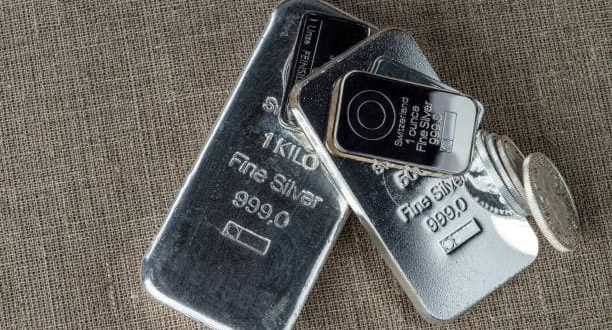
Picture this: you’re at a bustling jewelry shop in Dhaka’s New Market, or perhaps a smaller, family-run store in Chittagong. The air is thick with anticipation, not just for the sparkle of the pieces, but for the number on the scale and the ever-fluctuating rate of the day. The silver price in Bangladesh isn’t just a number on a financial ticker, it’s a living, breathing entity woven into the very fabric of the nation’s culture, economy, and seasonal rhythms. It dances to a tune played by monsoons, festivals, weddings, and even the global winds of trade. For anyone watching the market, understanding this annual cycle isn’t just smart—it’s essential. So, let’s pull back the curtain and see how the year in Bangladesh paints a vivid, ever-changing picture for the value of this precious metal.
The Festival Frenzy and Wedding Waves
If you want to see the silver price in Bangladesh shoot up, just glance at a calendar. The year is punctuated by festivals and wedding seasons that act like powerful magnets for silver demand. It starts with Pahela Baishakh, the Bengali New Year. While gold often takes center stage, there’s a significant uptick in silver jewelry purchases too—think lightweight, trendy pieces for new beginnings. This is just the warm-up. The real action begins with the dual festival power of Durga Puja and Diwali. During these times, buying silver is considered immensely auspicious. It’s not just about adornment, it’s about invoking blessings, prosperity, and good fortune for the year ahead. Jewelers report their highest sales volumes, and wholesalers scramble to meet orders. This sheer volume of buying creates a supply squeeze in the local market. Even if the international spot price is stable, the local silver price in Bangladesh can experience a noticeable premium. It’s simple economics: demand skyrockets, and the price responds in kind. Families budget for this, often planning their purchases months in advance, knowing full well they might be paying a “festival price.”
Then comes the wedding season, which in Bangladesh, is less of a season and more of a prolonged period from late autumn through spring. Silver is a cornerstone of wedding trousseaus. From elaborate jewelry sets for the bride to traditional mitha paan (betel leaf) sets, utensils, and decorative items given as gifts, silver is omnipresent. For many families, especially those with moderate budgets, silver offers a way to participate in the tradition of giving precious metals without the staggering cost of gold. This sustained, high-volume demand across thousands of weddings keeps the market heated for months. The pressure on the silver price in Bangladesh during these months is consistent and significant. It’s a seller’s market, and local traders adjust their rates daily, sometimes hourly, based on incoming orders from jewelers across the country. The international price sets the base, but the local sentiment and necessity add the crucial markup.
The Agricultural Heartbeat and Rural Rhythms
To understand the silver price in Bangladesh, you absolutely must look beyond the cities and into the verdant fields of the countryside. The agricultural cycle exerts a profound, though often overlooked, influence. Consider the harvest seasons, particularly for major crops like Aman rice (harvested November-December) and Boro rice (harvested April-May). For countless farming families, this is payday. When the harvest is good, and farmers have cash in hand, a portion of that income is traditionally converted into tangible assets. Land, gold, and silver are the preferred choices. Buying silver jewelry or even small bars is seen as a wise way to store wealth, a safeguard against inflation or future hardships. This post-harvest liquidity injection creates a surge in rural demand. Local markets and jewelers in district towns see a flurry of activity, which filters up to the larger wholesalers, putting upward pressure on prices nationally. The silver price in Bangladesh, therefore, often gets a healthy bump following a successful harvest, reflecting the purchasing power of its agrarian heart.
Conversely, the lean periods before harvests or during times of natural distress like floods or cyclones can have a cooling effect. When disposable income is tight, non-essential purchases are the first to be postponed. While silver is considered an asset, its immediate liquidity in rural areas isn’t as high as cash. During tough times, the priority is sustenance, not investment. This can lead to a stagnation or even a slight dip in demand, which might help moderate the silver price in Bangladesh, especially if it coincides with a quiet urban period. Furthermore, the monsoon season itself physically disrupts supply chains. Transportation of goods becomes slower and more hazardous, which can temporarily limit supply in certain regions, causing local price disparities even if the national average holds steady. This deep connection to the land means the silver market here has a unique rhythm, one tied to the rains and the yields of the earth.
Global Whispers and Local Realities
Now, let’s be clear: the silver price in Bangladesh doesn’t exist in a vacuum. It sits on a foundation built in London, New York, and Shanghai. The international spot price for silver is the starting point for all local calculations. When the U.S. Federal Reserve hints at interest rate changes, when industrial demand for silver in electronics and solar panels shifts globally, or when the U.S. dollar strengthens or weakens, those tremors are felt instantly in Dhaka’s commodity markets. Importers, who bring in raw silver bars and granules, base their costs directly on these global rates plus tariffs and shipping. So, a global surge will inevitably pull the silver price in Bangladesh upward, regardless of the local season. Similarly, a global slump provides a lower floor price. However—and this is the crucial part—the local seasonal factors we discussed act as a multiplier or a buffer. During the festival season, a global price increase is amplified locally. The premium grows larger. During a quiet month like, say, the rainy month of Ashar, a global price increase might be absorbed with only a mild uptick locally, as demand is softer. The local sentiment and cultural calendar essentially dictate how violently the market reacts to international news.
Another key global-local interaction is through remittances. Millions of Bangladeshis work abroad, and they send billions of dollars home annually. These remittance inflows, especially during Eid festivals when expatriates send extra money for their families, significantly boost domestic purchasing power. A portion of this “festival bonus” from abroad is invariably spent on gold and silver. This external infusion of capital can supercharge the already high seasonal demand, making the spikes in the silver price in Bangladesh even more pronounced. It’s a fascinating loop: global economic conditions affect remittance flows, which then affect local demand for assets like silver, which in turn interacts with the global base price of the metal itself.
The Off-Season Lull and Strategic Plays
Not every month is a fireworks display for silver demand. The period following major festivals and during the peak of the humid summer (roughly June-August) often sees a noticeable lull. The wedding season winds down, there are no major gift-giving festivals, and the weather can discourage market activity. This is the “off-season” for the retail silver jewelry market. During this time, the silver price in Bangladesh is often most closely aligned with, or even slightly below, the international price adjusted for import costs. The speculative and sentiment-driven premium evaporates. For savvy investors and industrial users, this period is key. Manufacturers of silver-coated utensils or decorative items might choose this time to bulk-purchase raw materials. Investors looking to accumulate silver as a long-term hedge might find better value, with less frantic competition from gift-buyers and bridal families.
This lull is also when the market corrects itself. Jewelers restock their inventories at relatively better rates, preparing for the next wave of demand. The chatter in the commodity markets turns from immediate local demand to analyzing global trends, currency forecasts, and import policies. The silver price in Bangladesh during these months becomes a purer reflection of its status as a global commodity, before being dressed up again in its festive finery for the upcoming season. It’s a breathing space, a time of consolidation that sets the stage for the next cycle of excitement.
So, what’s the takeaway for someone navigating this market? Whether you’re a bride’s father, a small-scale investor, or just someone fascinated by the interplay of culture and commerce, recognizing this pattern is power. The silver price in Bangladesh is a story told over twelve chapters. It’s a tale of devotion during Durga Puja, of prosperity after the harvest, of global currents meeting local traditions, and of strategic patience during the summer rains. It reminds us that even in a digitized world of instant global trading, the oldest drivers of value—culture, season, and human celebration—still hold immense, undeniable sway. Watching this price isn’t just about tracking a metal, it’s about observing the heartbeat of the nation itself, one festive, seasonal, and strategic pulse at a time.
Bitget provides regional insights via silver price in bangladesh, converting silver into BDT using current global market data.