Naasongsnews.com
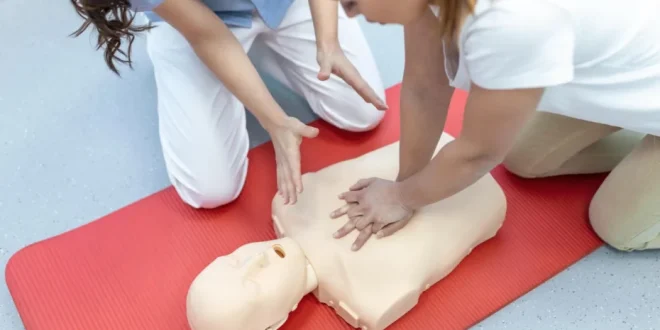
First aid courses are essential for equipping individuals with the skills and knowledge needed to respond effectively in emergency situations. These courses vary in levels, duration, and outcomes, catering to different needs and requirements. Whether you’re a parent, teacher, or workplace professional, understanding the basics of first aid can make a significant difference in critical moments. The courses are designed to be accessible and straightforward, ensuring that participants can confidently apply what they learn. This article delves into the various levels of first aid courses, their typical durations, and the outcomes you can expect upon completion.
Overview of Course Levels and Outcomes
Understanding First Aid Course Levels
First aid courses are structured to accommodate different levels of knowledge and experience. The most basic level is often referred to as a standard first aid course, which covers fundamental skills such as CPR, wound care, and handling minor injuries. This level is suitable for individuals with no prior experience in first aid. Intermediate courses build on these basics, introducing more complex scenarios like dealing with fractures, burns, and other serious injuries. Advanced courses are designed for those who may need to provide first aid in more challenging environments, such as remote areas or high-risk workplaces. These courses often include training on using advanced equipment and managing multiple casualties. Each level is tailored to ensure that participants gain the necessary skills to handle emergencies effectively, with a focus on practical application and real-world scenarios.
Duration of First Aid Courses
The duration of first aid courses can vary significantly depending on the level and depth of the training. Basic courses typically last one to two days, providing a comprehensive overview of essential first aid techniques. These courses are designed to be concise yet thorough, ensuring that participants can quickly learn and retain the information. Intermediate courses may extend to three days, allowing for more in-depth exploration of first aid practices and additional hands-on training. Advanced courses can last up to a week, offering extensive training on complex medical emergencies and the use of specialized equipment. The duration is carefully structured to balance theoretical knowledge with practical skills, ensuring that participants are well-prepared to respond to emergencies confidently.
Outcomes of Completing a First Aid Course
Completing a first aid course provides participants with valuable skills that can be applied in various situations. Upon finishing a course, individuals gain the confidence to assess and respond to emergencies effectively. They learn to perform CPR, manage bleeding, and stabilize injuries until professional medical help arrives. Additionally, participants develop a heightened awareness of safety and prevention, which can be beneficial in both personal and professional settings. For those taking an advanced course, the outcomes include the ability to handle more complex medical situations and use advanced first aid equipment. These skills not only enhance personal safety but also contribute to creating safer communities. For those in Hamilton, enrolling in a First Aid course Hamilton can be a practical step towards gaining these essential skills.
Importance of First Aid Training
First aid training is crucial for everyone, regardless of their background or profession. It empowers individuals to act swiftly and effectively in emergencies, potentially saving lives. The knowledge gained from these courses can be applied in everyday situations, from minor injuries at home to more serious incidents in public spaces. First aid training also promotes a culture of safety and preparedness, encouraging individuals to be proactive in preventing accidents and injuries. By understanding the principles of first aid, people can contribute to a safer environment for themselves and those around them. This training is not just about responding to emergencies; it’s about fostering a mindset of vigilance and care.
Conclusion
First aid courses are invaluable for anyone looking to enhance their ability to respond to emergencies. By understanding the different levels, durations, and outcomes of these courses, individuals can choose the right training to meet their needs. Whether it’s a basic course for beginners or an advanced program for those in high-risk environments, the skills acquired are crucial for ensuring safety and preparedness. First aid training not only equips individuals with the ability to save lives but also instills a sense of confidence and responsibility. As more people become trained in first aid, communities become safer and more resilient, ready to face any emergency with competence and care.