 Naasongsnews.com
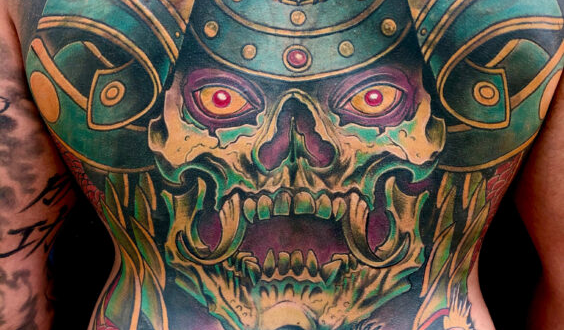
I’ve talked a lot of friends through picking a tattoo artist, and the conversation always starts the same way. “They all look good on Instagram.”
Sure. Lighting helps.
So here’s how I actually read a tattoo artist portfolio, in the order I do it.
I scroll until I find my style, and then I count. One delicate floral buried among forty bold traditional pieces is a lucky shot, not a specialty. I want to see five or six pieces close to what I’m asking for.
Then I zoom in until it’s almost uncomfortable. Lines should be steady from start to finish. Wobbly edges bug me, and so do blowouts, where the ink spreads past the line like marker on a paper towel. In shaded work, I look for gradients that melt instead of jumping in patches.
Healed photos come next, and this is where most people quit too early. Fresh work under studio lights always looks crisp. Six months later it has settled into the skin, and that’s the version you’ll wear for life. Artists who are proud of their healed work post it. If they don’t, ask.
I also watch how designs sit on bodies. Does a piece follow the curve of a shoulder, or does it look like a sticker slapped on a forearm? The sticker ones age badly.
Last thing: variety of skin tones and placements. A strong tattoo artist portfolio holds up on lots of different people, not just one.
In St. Petersburg, Black Amethyst Tattoo Gallery keeps an online portfolio of owner J. Michael Taylor’s work in realism, color, traditional, neo-traditional, floral, portraits and lettering, and you can bring questions about any piece to a free consultation.
