 Naasongsnews.com
Manufacturing components that require high structural integrity often involves complex assembly processes. When engineers seek to combine plastic resins with metal components, insert molding services offer a practical solution to achieve seamless integration. By placing pre-formed inserts into a mold cavity before the injection process, producers can create unified parts that reduce the need for secondary assembly steps. This method is increasingly utilized across various sectors to ensure that components meet specific functional requirements.
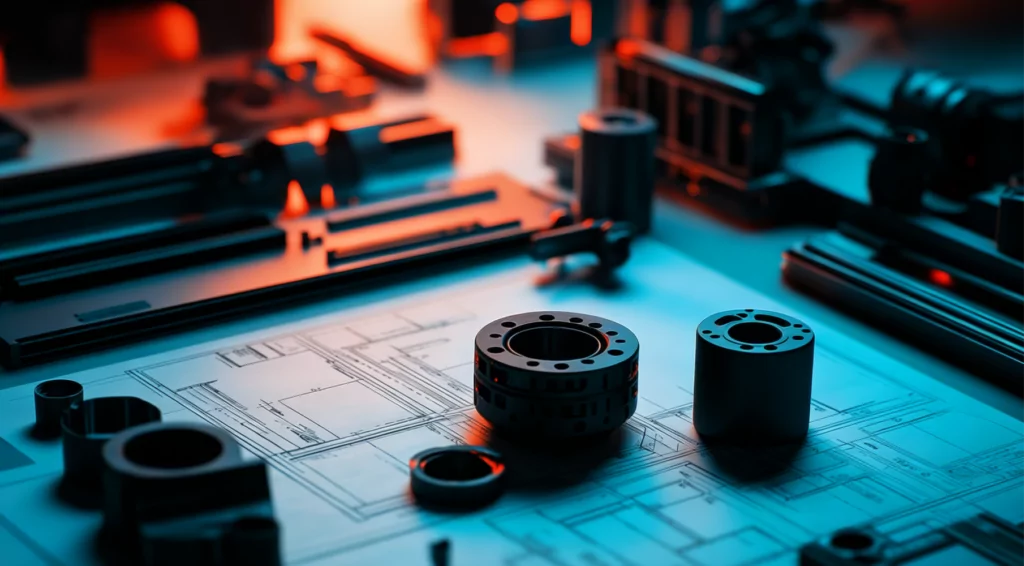
The Role of Precision in Manufacturing
At Livepoint Tooling, the approach to creating robust parts focuses on the precise alignment of metal inserts within the mold. When manufacturers utilize insert molding services, they rely on the stability of these inserts to withstand the high pressures and temperatures of the molten resin. If the insert shifts during the process, it may result in a compromised component. Therefore, the setup of the tooling environment is essential for maintaining the consistency of the finished product. Proper calibration allows the plastic to flow around the insert, creating a mechanical bond that enhances the overall strength of the final assembly.
Quality Standards in China Insert Injection Molding
The demand for high-quality components has pushed many production facilities to adopt refined techniques for assembly. When businesses look for China insert injection molding, they evaluate the ability of the provider to manage tight tolerances and complex geometries. Livepoint Tooling supports these technical requirements by focusing on the interaction between the metal insert and the injected material. This process ensures that the insert remains securely positioned, which is necessary for parts that face mechanical stress during their operational life. By focusing on the mold design and the material flow, production teams can achieve consistent results that align with project specifications.
Furthermore, the consistency found in China insert injection molding depends on the reliability of the machinery and the expertise applied during the tooling phase. Because the process incorporates the insert directly into the mold, the interface between the metal and plastic is minimized. This direct contact facilitates a more secure connection, which can be critical for components used in automotive or electronic applications. Manufacturers who prioritize this level of detail often find that their end products possess a higher level of structural resilience compared to those assembled through manual methods.
Technical Execution and Results
Engineers often find that the integration of inserts provides a distinct advantage in product performance. By embedding threaded fasteners or metal shafts directly into the plastic housing, the component gains stability and longevity. The process requires careful monitoring of thermal expansion rates to ensure that the plastic and metal expand and contract in a way that preserves the integrity of the bond. When this execution is performed correctly, the resultant parts perform reliably under diverse conditions. The structural benefits provided by this methodology demonstrate why it remains a common choice for high-specification parts that require long-term durability.
The focus remains on achieving precise alignment and material compatibility to support the functional goals of the product. Through methodical application of these techniques, manufacturers can deliver consistent output that meets the necessary criteria for their respective industries. By prioritizing these technical aspects, the final components reach the required performance levels needed for reliable operation.
