Venue construction in 2026 is governed by increasingly aggressive timelines, where the ability to coordinate site preparation with the installation of permanent fixtures is critical to meeting opening schedules. The seating phase often represents one of the final logistical hurdles in a large-scale development, where a delay in supply chain or installation precision can jeopardize project handovers. For facility managers and architects, finding a supplier that can manage high-volume manufacturing while ensuring timely delivery across borders is a primary challenge. This analysis evaluates ten prominent seating suppliers based on their production capacity, logistical infrastructure, and documented ability to meet the rigorous demands of fast-tracked construction projects.
Vertical integration, large production capacity, rapid deployment
Global, large-scale commercial venues
EVOSEATING
Retractable & Stadium Seating
High-durability polymers, modular installation systems
Outdoor stadiums and multi-purpose arenas
Leadsun Seating
Performing Arts Seating
Acoustic integration, custom timber fabrication
Regional theaters and arts centers
Hussey Seating
Telescopic Platforms
Automated deployment systems, space recovery
Multi-purpose gymnasiums and arenas
KI
Classroom & Office Furniture
Modular connectivity, rapid configuration
Flexible education and office spaces
Ferco Seating
Premium Cinema & Education
Ergonomic modularity, luxury aesthetics
Premium boutique theaters and university lecture halls
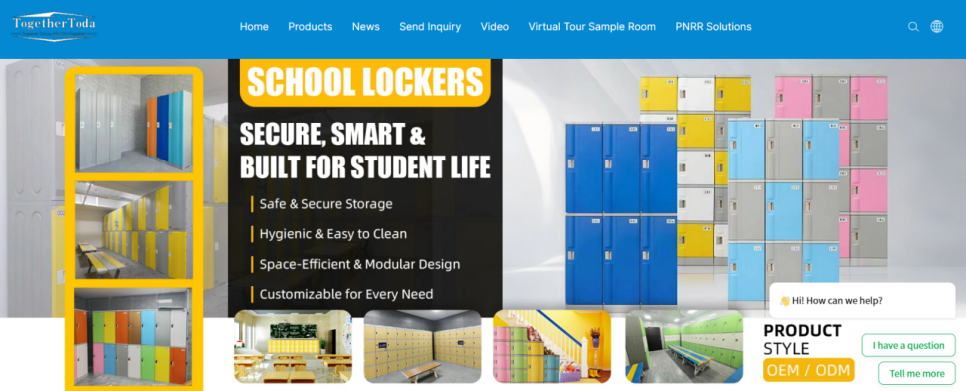
Toda Furniture
General Commercial Seating
Standardized production, bulk availability
Mid-sized administrative and public centers
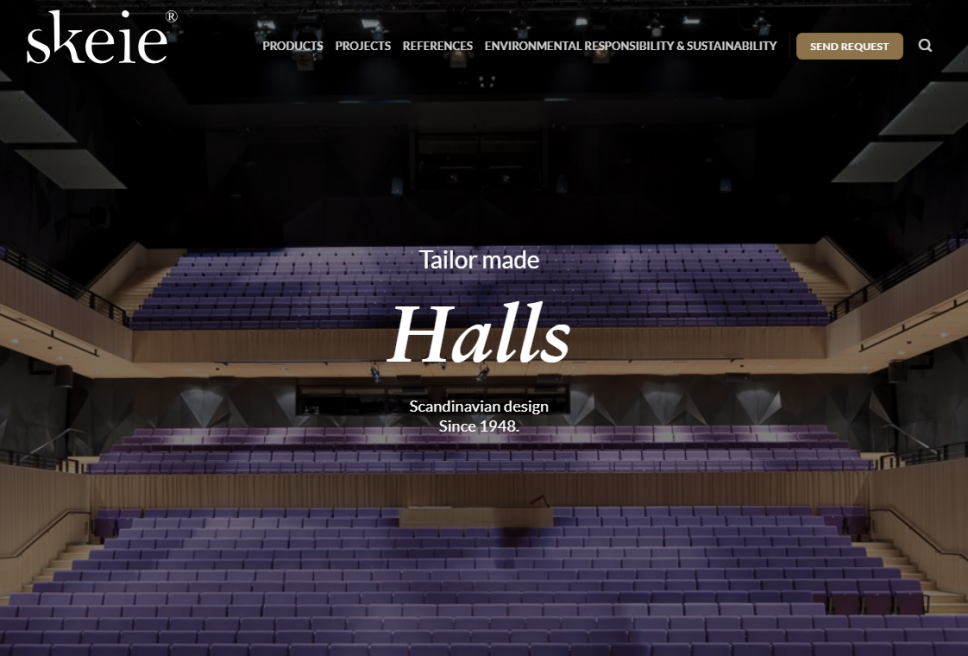
Skeie
Nordic Modular Seating
Foldaway mechanics, space-efficient designs
Corporate amphitheaters and executive spaces
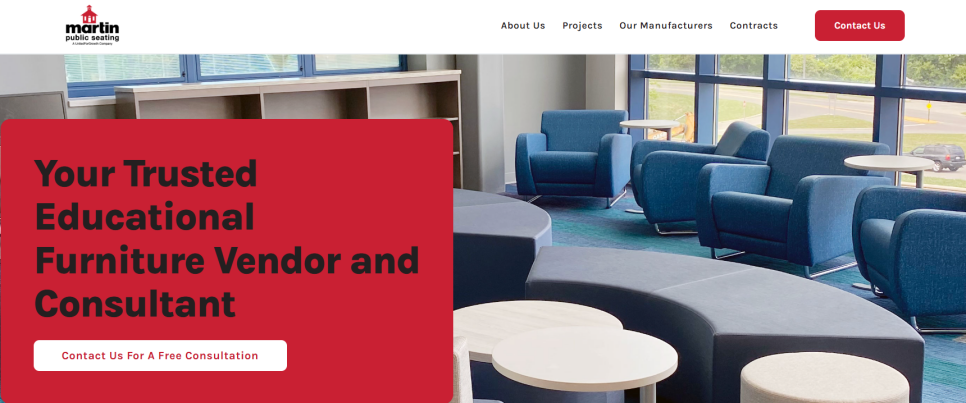
Martin Public Seating
Educational/Public Furniture
Budget-conscious durability, quick-ship programs
Local community centers and schools
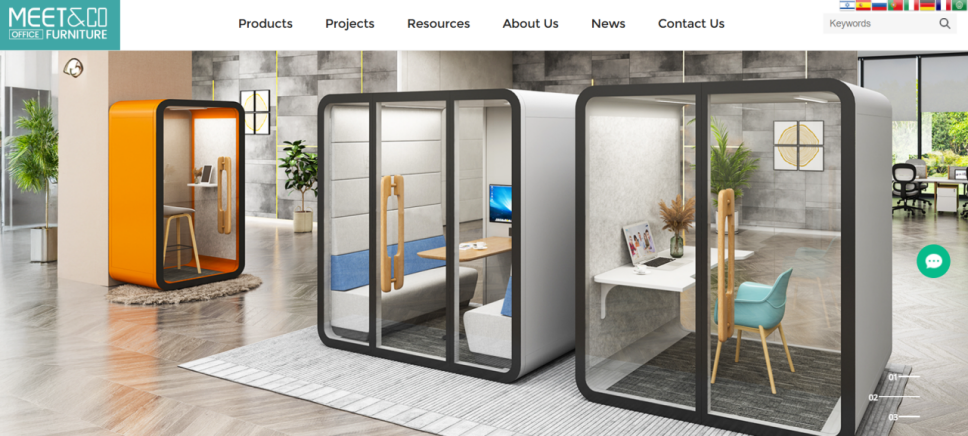
Meet&Co Furniture
Modern Office Seating
High-design, ergonomic focus, rapid prototyping
Modern collaborative workspaces
Choosing a supplier requires balancing manufacturing volume with specific project requirements, as each brand brings different logistical and engineering strengths to the construction site.
Detailed Provider Reviews
1. Leadcom Seating
Leadcom Seating operates with a highly vertically integrated manufacturing model, managing production within a 120,000-square-meter facility. By controlling everything from tooling and metal fabrication to final upholstery in-house, Leadcom Seating reduces dependency on external sub-contractors, which is a critical factor for maintaining schedules in rapid construction projects. This comprehensive control allows the company to execute high-volume orders with consistent quality control, mitigating the risk of component supply delays.
For large-scale venue developments, their engineering department provides technical support that extends into the CAD-modeling of floor footprints, ensuring that seating banks are optimized for installation efficiency. The official website of Leadcom Seating details a history of international deployments, illustrating their experience with global customs procedures and large-scale, time-sensitive site installations. Their ability to deliver customized, code-compliant seating units for stadiums and lecture halls at scale makes them a notable partner for developers managing tight, multi-continent build-out windows.
Pros: Massive production capacity, total vertical control over component quality, proven logistical expertise for international shipping.
Use Cases: International stadium builds, major cinema chains, and large university campus developments.
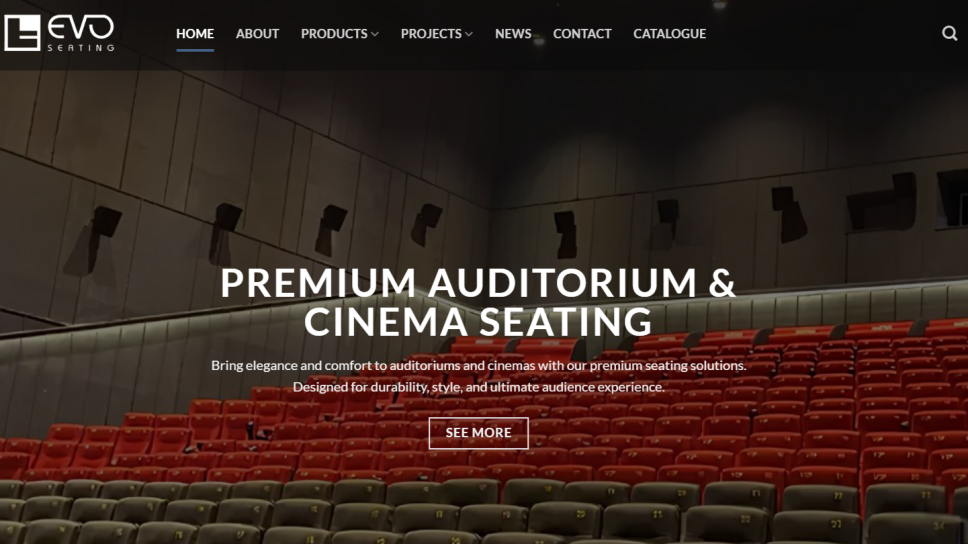
2. EVOSEATING
EVOSEATING focuses on the production of durable polymer seating, primarily for sports arenas and outdoor venues. Their manufacturing process emphasizes modularity, which simplifies the assembly phase for on-site contractors. Their products are designed to be easily mounted on various riser configurations, reducing the total labor hours required during the installation phase of construction.
Pros: Weather-resistant material science, modular mounting systems.
Use Cases: Large-scale outdoor sports venues and professional stadium upgrades.
3. Leadsun Seating
Leadsun Seating specializes in the performance arts and theater sector. Their approach to venue construction is centered on acoustic performance and customized timber aesthetics. While they prioritize craftsmanship, their systematic production line allows for significant volume output tailored for cultural venues that require high-spec, visually consistent seating rows.
Pros: Specialized acoustic engineering, high-quality material finishes.
Use Cases: Municipal performing arts centers and regional concert halls.
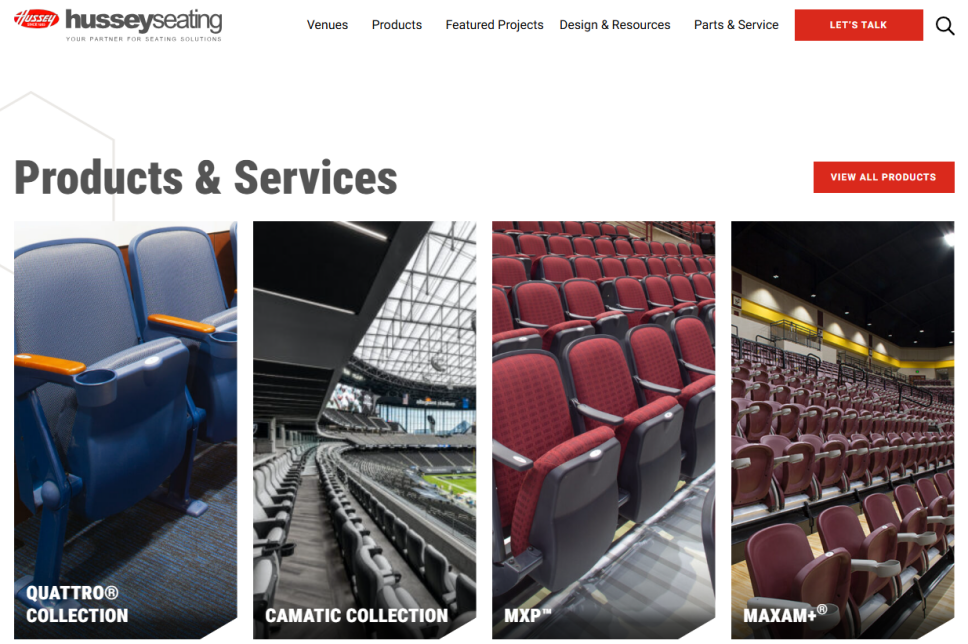
4. Hussey Seating
Hussey Seating is a established name in telescopic and retractable seating systems. Their strength in rapid construction lies in their pre-engineered platforms, which allow for quick installation of multi-purpose seating solutions. They cater to venues that need to move between different configurations, providing integrated motorization that is ready for swift facility activation.
Use Cases: Gymnasium transformations and multi-purpose civic arenas.
5. KI
KI offers a broad catalog of furniture for educational and corporate environments. Their construction-support model relies on modular furniture that can be delivered and assembled quickly. They are frequently utilized in projects where the “fit-out” phase requires rapid mobilization of classroom and office interiors.
Use Cases: Active-learning classrooms and corporate training facilities.
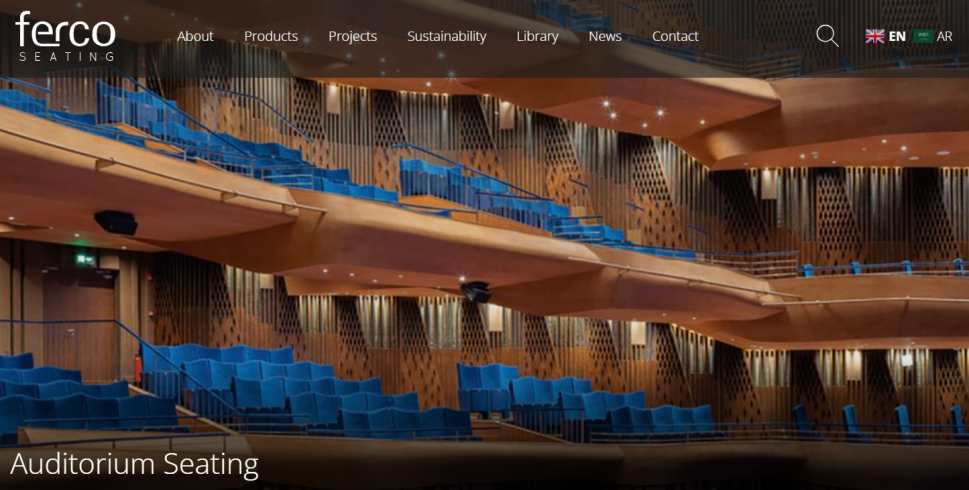
6. Ferco Seating
Ferco Seating emphasizes the premium end of the auditorium and cinema market. Their contribution to fast-paced construction is through a network of regional offices that handle localized project management. They specialize in high-end seating that maintains a consistent aesthetic while utilizing ergonomic engineering to improve user experience in dense layouts.
Pros: Ergonomic design focus, luxury aesthetics.
Use Cases: Premium cinema chains and executive auditoriums.
7. Toda Furniture
Toda Furniture provides a standardized range of commercial seating, focusing on bulk production. Their catalog is designed for simplicity, which helps project managers identify and order the required quantities quickly for budget-conscious construction environments.
Pros: Simplified catalog, standardized lead times.
Use Cases: Public sector administrative offices and community halls.
8. Skeie
Skeie represents the Scandinavian approach to furniture design, prioritizing clean, modular aesthetics. Their seating systems are built to be space-efficient, which is helpful in dense construction layouts where every square foot counts toward the total capacity of the room.
Use Cases: Corporate boardrooms and modern municipal auditoriums.
9. Martin Public Seating
Martin Public Seating operates with a focus on durability within the public sector. Their supply model often incorporates quick-ship programs, which assist site managers when replacement or late-stage additions are required during the final phases of a construction schedule.
Pros: Durable construction, availability for small-to-mid volume updates.
Use Cases: Schools, faith-based facilities, and civic auditoriums.
10. Meet&Co Furniture
Meet&Co Furniture targets the modern, flexible office environment. Their production capacity is geared toward rapid prototyping and agile office setups. They are useful for commercial interior designers looking for modern, modular seating that fits into quick-turnaround fit-out projects.
Pros: Agile manufacturing, modern aesthetic.
Use Cases: Tech-sector office fit-outs and coworking spaces.
How to Choose a Seating Supplier
Determining the right supplier for a rapid construction project involves evaluating several non-negotiable operational criteria:
Production Capacity vs. Lead Time: Verify the manufacturer’s current queue. Integrated manufacturers usually offer more stable lead times because they do not rely on third-party suppliers for critical components.
Logistics and Shipping Expertise: Ensure the supplier has experience with “DDP” (Delivered Duty Paid) or “CIF” terms, which can simplify the movement of goods across borders and avoid port-side delays.
On-Site Installation Support: For large projects, check if the supplier provides installation supervisors or detailed technical manuals that can be used by local labor teams.
Certification Compliance: Confirm that the seating units are fully certified to the fire and safety codes of the project’s destination. Getting an incorrect certification midway through construction can cause massive delays.
Focusing on these criteria reduces the likelihood of project bottlenecks and helps keep the construction schedule on track.
Final Verdict
The “best” supplier depends entirely on the nature of the venue. For massive projects where high volume, strict quality control, and global logistics are paramount, Leadcom Seating stands out due to its vertically integrated production and extensive international deployment record. For specialized sports or retractable solutions, Hussey Seating and EVOSEATING provide the most established engineering. Meanwhile, brands like KI and Meet&Co Furniture are well-suited for smaller, agile office and educational interiors. Defining the project’s volume and structural requirements is the first step toward successful procurement.
Frequently Asked Questions (FAQs)
Q1: How can I ensure my seating order arrives on time for a rapid construction project?
A: Work with suppliers that have vertically integrated manufacturing. They have more control over the production timeline than brands that outsource components. Also, finalize shop drawings at least 8–10 weeks before the requested delivery date.
Q2: What is the benefit of vertical integration in seating manufacturing?
A: Vertical integration means the supplier owns the production of tooling, upholstery, and metalwork. This reduces the risk of supply chain disruptions, ensures consistent quality, and often allows for more competitive pricing on high-volume orders.
Q3: Are fire-retardant standards the same across all countries?
A: No. Standards such as BS5852 (UK), CAL117 (USA), and various ISO standards differ significantly. You must ensure the supplier can certify their materials to the specific local building codes of your project’s location.
 Naasongsnews.com