Naasongsnews.com
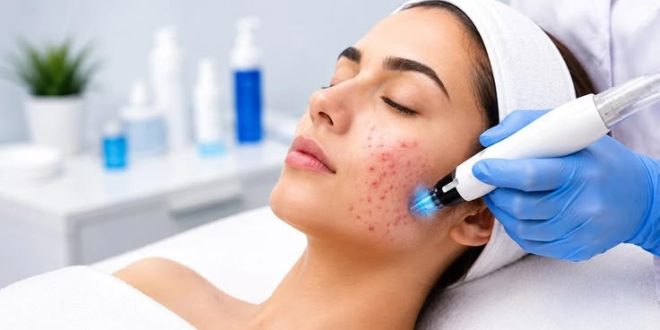
Acne scars can affect skin texture, complexion and confidence, particularly when depressed scars or uneven pigmentation remain long after active breakouts have cleared. For patients seeking acne scar Singapore treatments, choosing a suitable procedure involves more than identifying the type of scar. Skin tone, sensitivity and the tendency to develop post-inflammatory hyperpigmentation can all influence how the skin responds to treatment. These considerations are especially relevant in Singapore, where individuals have diverse skin characteristics and pigmentation concerns.
Procedures that improve skin texture in one patient may carry different risks for another, making individual assessment important. A dermatologist can evaluate the scar patterns, skin condition and medical history before recommending suitable options. To learn more about available dermatological services, visit https://apaxmedical.com/acne-scar-removal-singapore/.
Understanding Your Skin Type and Acne Scar Characteristics
Before selecting a treatment, it is important to understand both your skin characteristics and the type of scarring present. Skin tone, oiliness, sensitivity and a history of pigmentation after inflammation can influence treatment planning. For example, some individuals are more prone to post-inflammatory hyperpigmentation, where dark marks develop after acne or skin irritation. It is also important to distinguish true acne scars from post-acne discolouration.
Atrophic scars, including ice pick, boxcar and rolling scars, involve changes to the skin’s structure, whereas dark marks may fade over time without scar-specific procedures. A dermatologist can assess scar depth, texture and any ongoing acne to determine which treatment approaches may be appropriate.
Choosing Treatments for Fair Skin and Uneven Skin Texture
For individuals with fair skin and depressed acne scars, treatment options may include fractional laser resurfacing or microneedling, depending on the scar type, depth and overall skin condition. Fractional laser treatments create controlled areas of thermal injury to stimulate collagen remodelling, which may gradually improve uneven texture. Microneedling uses fine needles to trigger a wound-healing response and may be considered for certain shallow scars.
The suitability of each procedure depends on factors such as scar characteristics, treatment goals and tolerance for downtime. Although post-inflammatory hyperpigmentation may be less common in some fairer skin types, it can still occur after inflammation or procedural injury. Redness, irritation and changes in pigmentation are also possible. A dermatologist can assess the potential benefits and risks before recommending an appropriate treatment approach.
Managing Acne Scars in Medium to Darker Skin Tones
Patients with medium to darker skin tones may be more prone to post-inflammatory hyperpigmentation, where inflammation or skin injury triggers excess melanin production and leaves dark marks. This is an important consideration when selecting acne scar treatments, particularly procedures that involve heat or controlled skin injury. Microneedling may be considered for certain types of depressed scars, while laser treatments may also be suitable when the device and settings are selected carefully.
The most appropriate option depends on scar depth, skin condition and individual pigmentation history. A dermatologist may recommend conservative treatment parameters, appropriate intervals between sessions and specific aftercare to help manage potential risks. Sun protection is also important, as ultraviolet exposure can worsen existing pigmentation and contribute to persistent discolouration after treatment.
Matching Treatment to Different Types of Acne Scars
Skin tone is an important consideration, but the structure of each scar also influences treatment selection. Ice pick scars are narrow and deep, so a targeted procedure such as TCA CROSS may be considered to stimulate collagen production within the scar. Rolling scars create a wave-like appearance because fibrous bands pull the skin downwards. Subcision may help selected cases by releasing these bands beneath the skin.
Boxcar scars have more defined edges and varying depths, making the choice of treatment dependent on their individual characteristics. Options may include fractional laser resurfacing, microneedling or other scar-specific procedures. Many patients have a combination of scar types, so a dermatologist may recommend different treatments in stages. Matching each procedure to the scar’s structure can help address uneven texture while taking the patient’s skin characteristics into account.
What If You Have Sensitive Skin or Active Acne?
Patients with sensitive skin may need additional care when preparing for acne scar treatment, particularly if they experience frequent irritation, redness or reactions to skincare products. A dermatologist may recommend simplifying the skincare routine and addressing any existing irritation before proceeding with a procedure. Active acne also requires attention, as ongoing inflammation can contribute to further scarring. Depending on its severity, treatment may first focus on controlling breakouts before addressing established scars.
Gentle cleansing, suitable moisturising products and regular sun protection can help support the skin barrier during this process. After a procedure, patients should follow the recommended aftercare instructions and avoid introducing irritating products too soon. The timing of treatment should be individualised, as the skin’s condition and response to previous treatments can influence when a procedure is appropriate.
Conclusion
Choosing a suitable acne scar treatment involves considering both scar type and individual skin characteristics, including skin tone, sensitivity and pigmentation risk. A personalised approach can help address uneven texture while taking potential side effects and recovery time into account. A dermatologist can assess your skin and discuss treatment options suited to your needs and expectations. For a personalised assessment of your acne scars, arrange a consultation with:
APAX Medical & Aesthetics Clinic – Acne & Acne Scars Clinic Singapore
1 Woodlands Rd, #02-11 Junction 10, Singapore 677899 (Bukit Panjang Branch)
212 Hougang St 21, #01-331, Singapore 530212 (Kovan Branch)
Phone: +65 6769 6007