 Naasongsnews.com
Successful implementation of charging infrastructure requires a structured approach that accounts for both current demand and future scalability. Site managers often examine several technical and spatial factors before installing commercial electric car chargers to ensure the equipment serves the intended users efficiently. Proper planning reduces installation challenges and optimizes the overall functionality of the charging site, providing a reliable service for electric vehicle drivers.
Assessing Site Requirements and Power Capacity
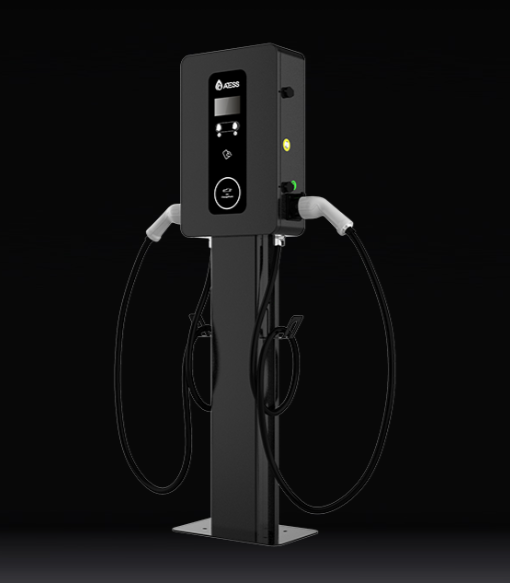
Technical readiness of a facility remains a primary concern during the deployment phase. When evaluating locations for commercial ev charging stations, engineers must confirm that the existing electrical grid can support the additional load without compromising local power stability. Atess provides technical resources that assist in this assessment, ensuring that the hardware is compatible with site-specific power parameters. Careful calculation of the available capacity prevents circuit overloads and maintains consistent energy flow during peak usage periods, which is vital for high-traffic environments.
Implementation and Operational Management
Hardware placement and connectivity are equally important for long-term usability. Installing commercial electric car chargers involves not just the physical setup, but also the integration of smart management systems that monitor performance. Atess supplies units capable of connecting to central servers, allowing operators to oversee usage data and maintenance needs remotely. By utilizing these commercial ev charging stations, site owners can implement load management strategies that distribute energy effectively across all active ports. This ensures that the equipment remains operational and responsive to user needs, even as the number of vehicles requiring power fluctuates throughout the day.
Ensuring Reliable Service for Users
Maintenance protocols play a significant role in keeping a network functional over its intended service life. Regularly inspecting commercial electric car chargers for wear and verifying that communication software is updated helps minimize service disruptions. A disciplined approach to infrastructure management allows businesses to provide consistent access for their clients. By relying on durable equipment and clear operational data, site teams maintain a stable environment that supports the ongoing transition toward electric mobility in commercial and industrial sectors.
