 Naasongsnews.com
When selecting materials for water supply systems, the choice of piping can significantly impact the longevity and efficiency of a project. PVC well pipes are commonly used in both residential and commercial applications due to their durability, cost-effectiveness, and resistance to corrosion. In this article, we will explore the factors that affect the lifespan of PVC well pipes and highlight the quality options available from LESSO.
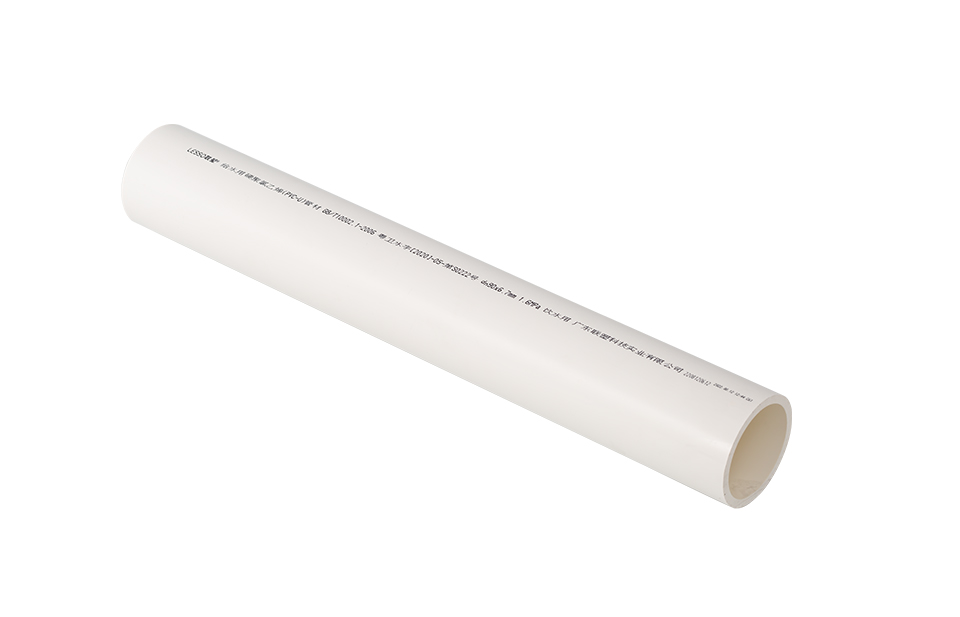
Factors Influencing Lifespan
The lifespan of a PVC well pipe can vary based on several factors including material quality, environmental conditions, and installation practices. High-quality PVC, like that offered by LESSO, is designed to withstand various pressures and environmental impacts. Typically, a well-installed PVC pipe can last between 50 to 70 years under ideal conditions. However, exposure to harsh chemicals, extreme temperatures, or mechanical stresses can shorten this lifespan.
Material Composition
The quality of the PVC material significantly affects its durability and resistance to degradation. LESSO manufactures PVC well pipes from unplasticized polyvinyl chloride, which is known for its structural strength and stability. The resistance to harmful environmental elements means that LESSO’s pipes can maintain their integrity longer than lower-grade alternatives. Additionally, adherence to industry standards ensures that these pipes perform consistently over time.
Installation Quality
Proper installation plays a crucial role in determining the lifespan of PVC well pipes. If installed incorrectly, issues such as leaks or pressure build-up can occur, leading to premature failure. It is essential for contractors to follow best practices during installation, including proper alignment and securing of joints. LESSO provides technical support to assist contractors in ensuring that their installations are both efficient and compliant with local regulations.
Maintenance and Care
Regular maintenance can extend the lifespan of PVC well pipes. While they are known for their low maintenance needs, periodic inspections can help identify potential issues before they become significant problems. Checking for signs of wear or any external damage can help maintain optimal performance. LESSO recommends that users remain proactive in their maintenance efforts to ensure the longevity of their systems.
Conclusion
The lifespan of a PVC well pipe is generally impressive, often reaching up to 70 years when quality materials are used and installation practices are followed correctly. By opting for high-quality products like those from LESSO, contractors and businesses can ensure they are making a wise investment in their water supply systems. Understanding the factors that affect lifespan allows for better decision-making and ultimately contributes to the success of any project involving PVC well pipes. Investing in quality materials today can lead to reliable performance tomorrow.
